
Find all documents and resources here
News & Press Releases
Read our news, press releases and monthly production statistics below
02 Oct 2026
August 2026 Chlorine production
25 Sep 2026
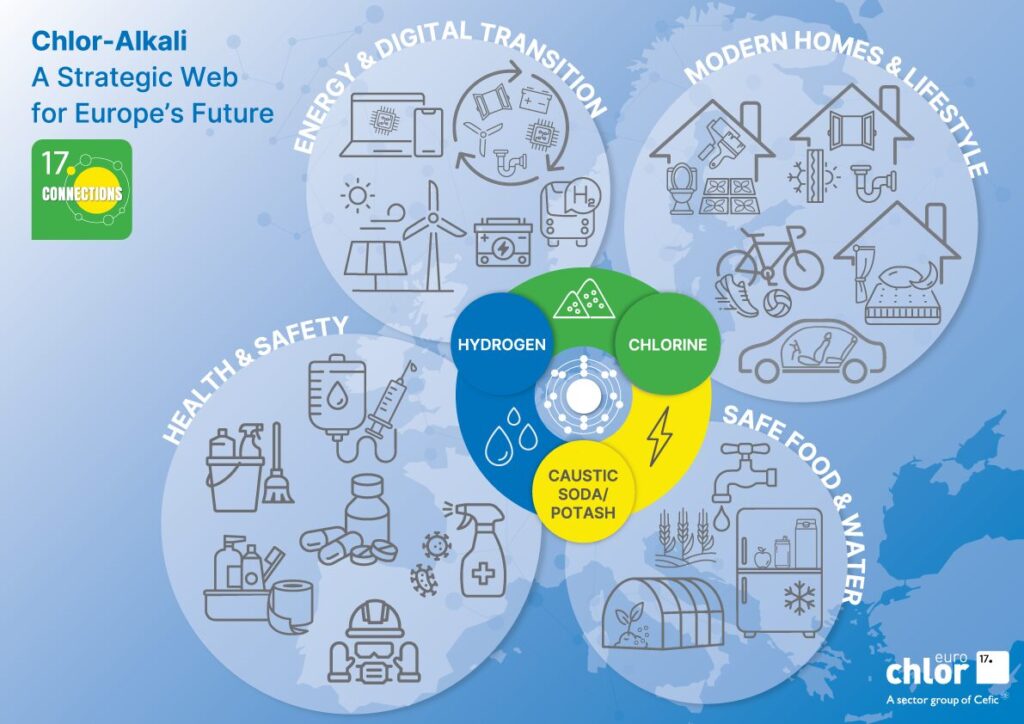
Launch of new 17 Connections interactive web tool
15 Sep 2026
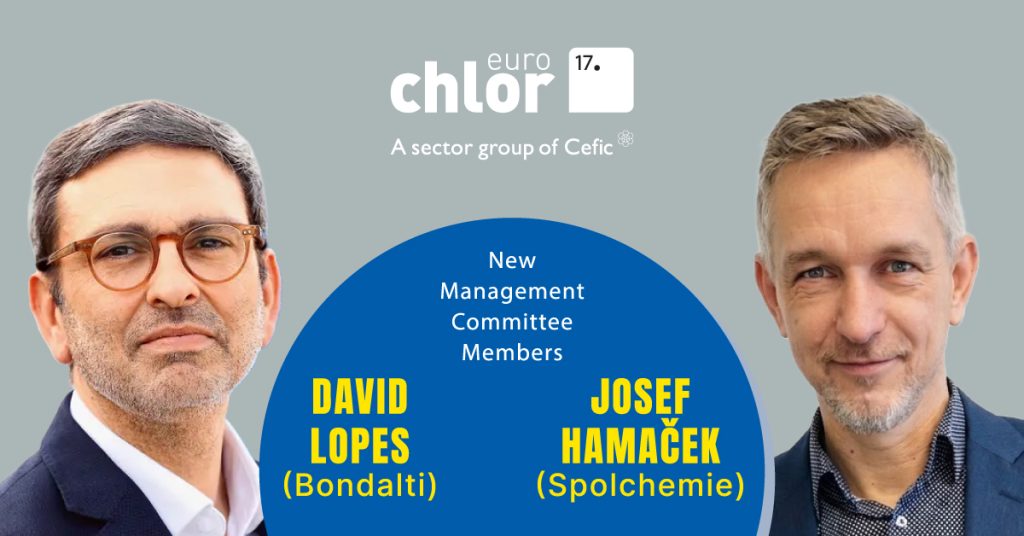
Two new members join Euro Chlor Management Committee and are voted in at Annual General Assembly
10 Sep 2026
Euro Chlor launches Chlor-Alkali Industry Review 2025-2026
02 Sep 2026
July 2026 Chlorine production
05 Aug 2026
June 2026 Chlorine production
02 Jul 2026
May 2026 Chlorine production

30 Jun 2026
How Chlor-Alkali chemistry plays a key role in major football championships
03 Jun 2026
New video on the Challenges of making three Critical Connected Chemicals
02 Jun 2026
April 2026 Chlorine production
05 May 2026
March 2026 Chlorine production
23 Apr 2026
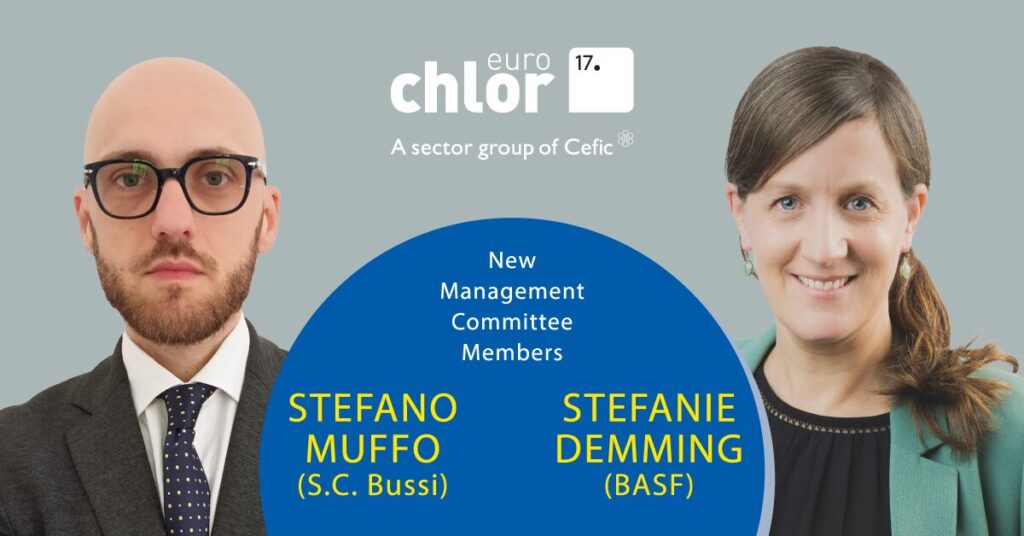
Two new members join the Euro Chlor Management Committee
23 Apr 2026
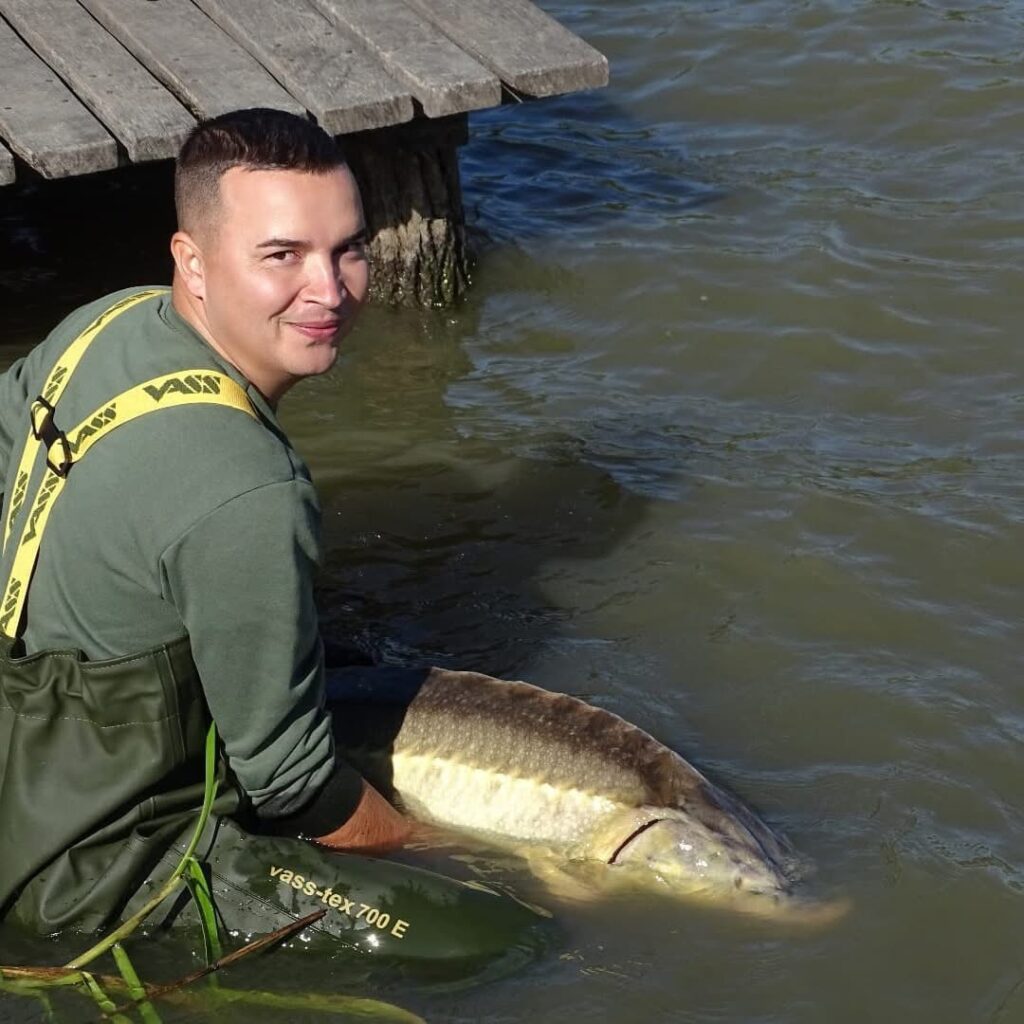
The angler: Chlor Alkali innovations behind modern fishing

20 Apr 2026
Euro Chlor appoints new interim Management Committee Chair
07 Apr 2026
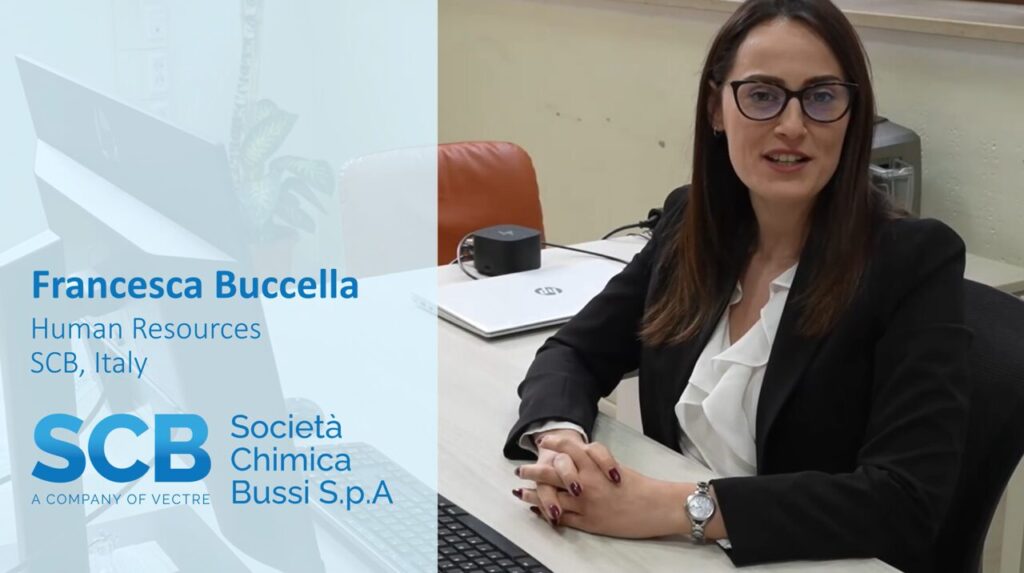
Francesca Buccella from Società Chimica Bussi features as sixteenth 17 Chlor-Alkali Careers interviewee
07 Apr 2026
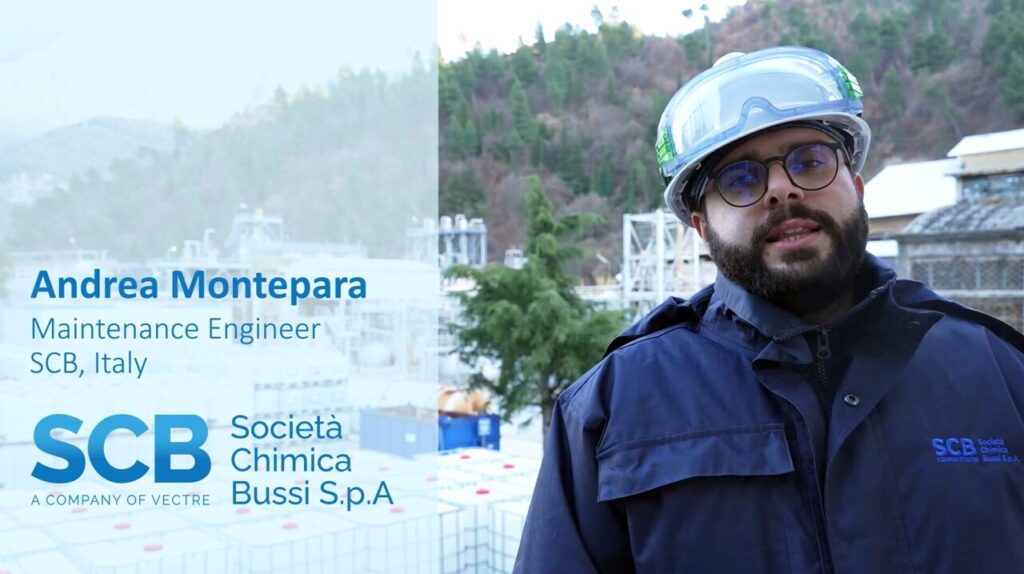
Andrea Montepara from Società Chimica Bussi features as fifteenth 17 Chlor-Alkali Careers interviewee
03 Apr 2026
February 2026 Chlorine production
02 Apr 2026
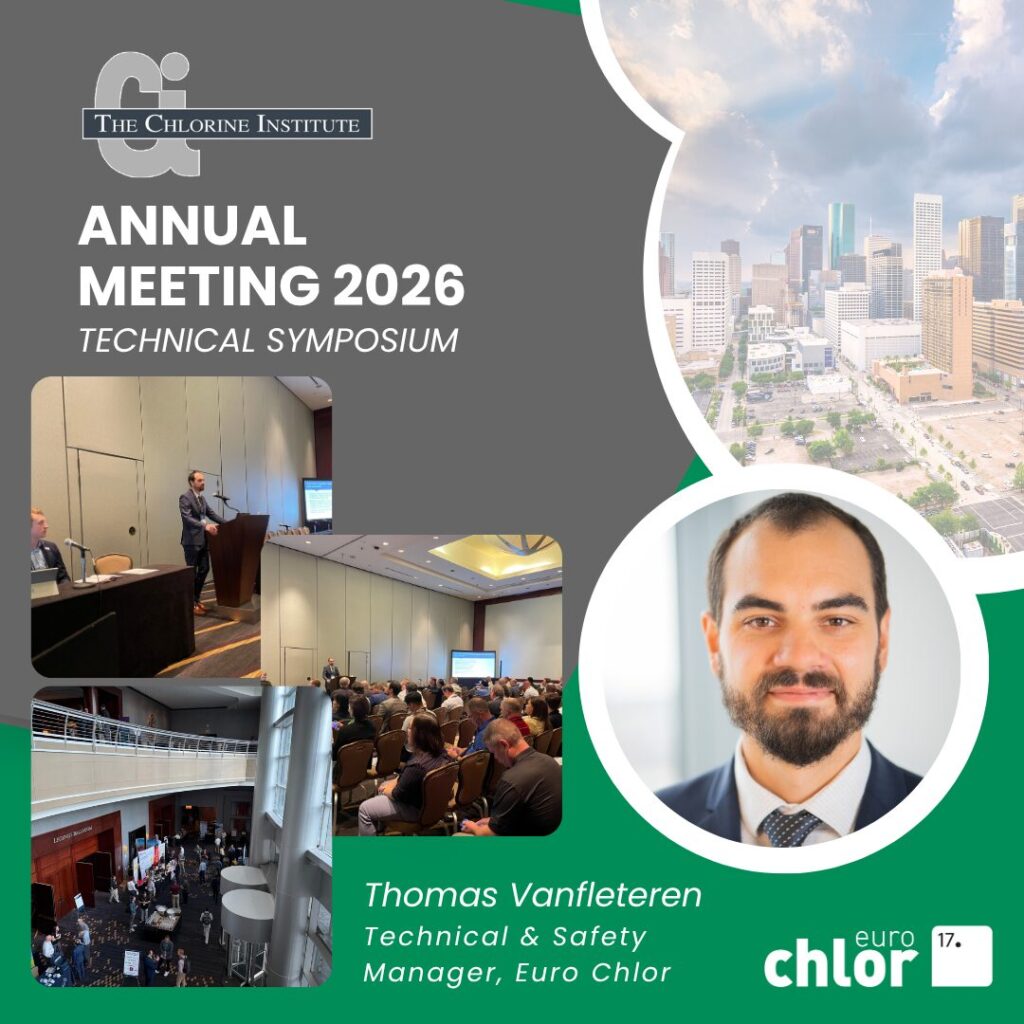
Euro Chlor at the Chlorine Institute 2026 Annual Meeting: technical, safety and regulatory insights
01 Apr 2026
January 2026 Chlorine production
01 Apr 2026
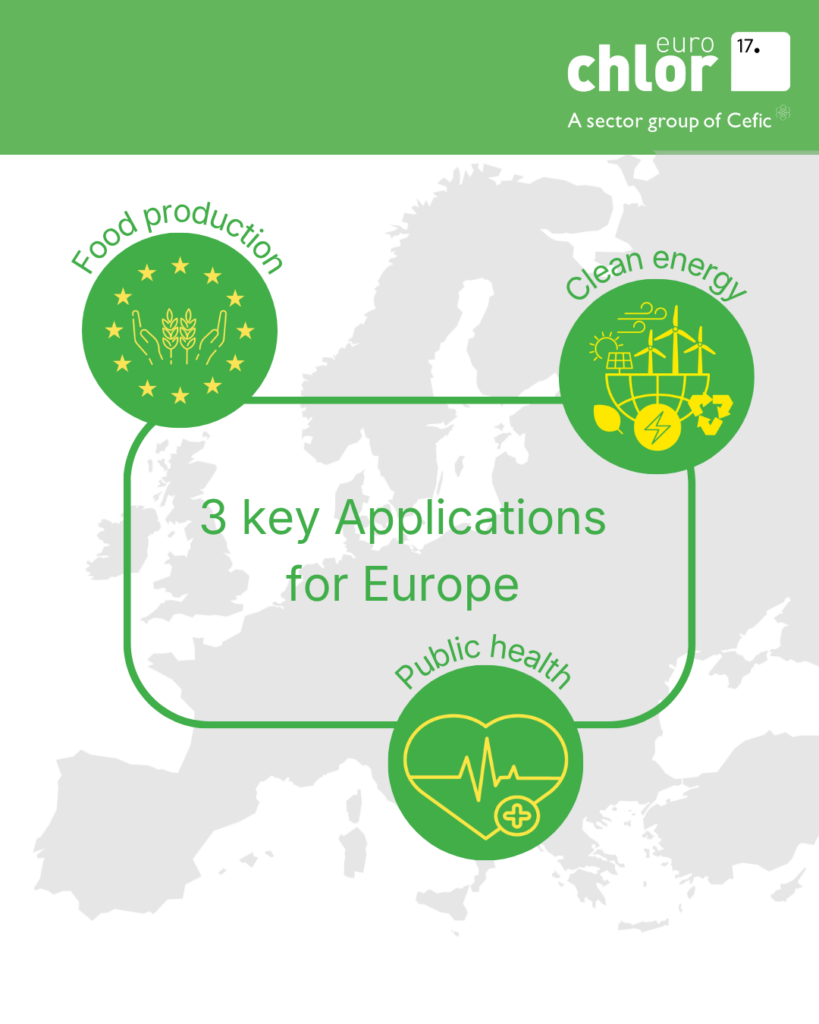
Why Europe needs local production of Chlorine