A big help in medicine

PVC is an excellent material used in sterile medical tubingChlorine-based plastics are used in bags for intravenous drips and blood transfusions, and in sterile tubing.

In hospitals, chlorine compounds help protect patients from infections through their use in cleaning, disinfection and as antiseptics. Their many benefits include the ability to:

  • Prevent bacterial contamination of patients' burns and other wounds
  • Disinfect kidney dialysis machines
  • Clean and disinfect work surfaces and equipment in medical laboratories
  • Kill bacteria such as those which cause Legionnaire's disease, and which can live in hospital water and air conditioning systems.

Medicines rely on chlorine

Drug name Therapeutic category Purpose/benefit
Chlorcyclizine Antihistamine Relieves allergy symptoms
Chlordiazepoxide Tranquiliser Reduces anxiety
Chloroquine Antimalerial Prevents and teats malaria
Chlorpheniramine Antihistamine Relieves allergy symptoms
Clobenfural Coronary vasodilator Enlarges blood vessels of the heart
Clometacin Analgesic Relieves pain
Clonazepam Anticonvulsant Prevents convulsions
Clorindione Anticoagulant Reduces blood clotting
Clorprenaline Bronchodilator Expands passages to the lungs
Chlortetracycline Antibiotic Treats eye and ear infections
Clospirazine Antipsychotic Treats psychological disturbances
Clotrimazol Antimycotic Treats foot infections "athletes foot")
Mitotane Antineoplastic Inhibits growth and formation of tumours
Diclofenac Anti-inflammatory drug Reduces inflammation, pain and fever

Some 85% of pharmaceuticals contain or are manufactured using chlorine chemistry, including products to treat Aids, allergies, arthritis, cancer, depression, diabetes, heart disease, hypertension, infections, pneumonia and ulcers.An example is the natural antibiotic vancomycin, an effective medicine in fighting hospital Staphylococcus infections.
Chlorine-containing compounds are also important intermediates in the manufacture of vitamin C.

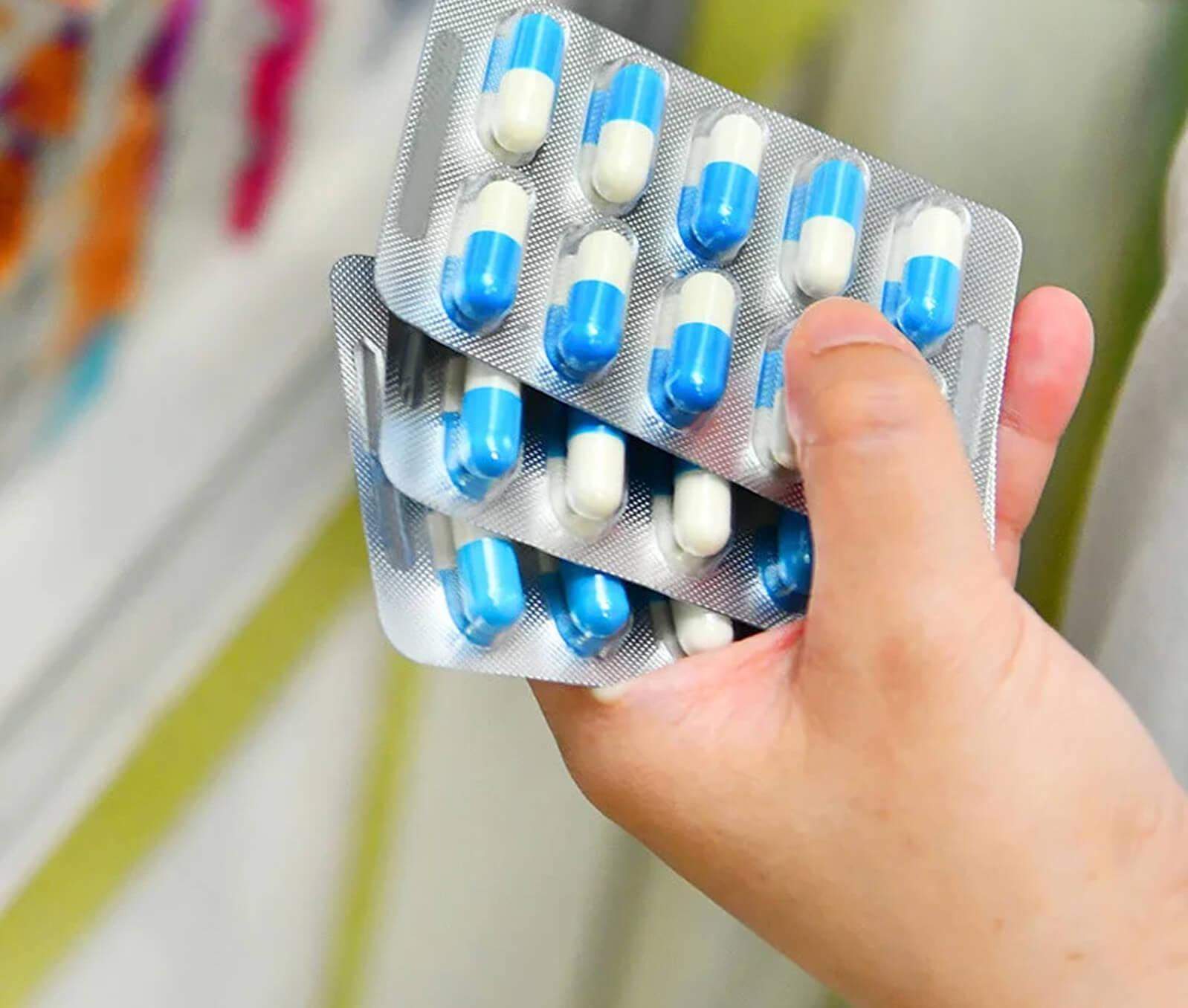
Blister packaging of pharmaceuticals combines PVC, made with chlorine, and aluminium, made with caustic soda from the chlor-alkali industryThrough its use in PVC, chlorine also contributes to safety in tamper-resistant pharmaceutical packagingand in "blister" packs, which help extend shelf-life and make it easier for patients to take the correct dose.
Read more about PVC on pvc.org, the European Council of Vinyl Manufacturers (ECVM) website.

One-quarter of medical devices contain chlorine, mostly in the form of the plastic PVC. For example, PVC is used to make intravenous drips and blood bags, sterile tubing and packaging, prosthetics and heart catheters. Chlorine is also used to makethe semiconductors for diagnostic instruments, andpolystyrene coolers for organ transplants. Common salt is the basis of intravenous saline solutions.